DRARA home thermal imagingFree and run by neighbours.
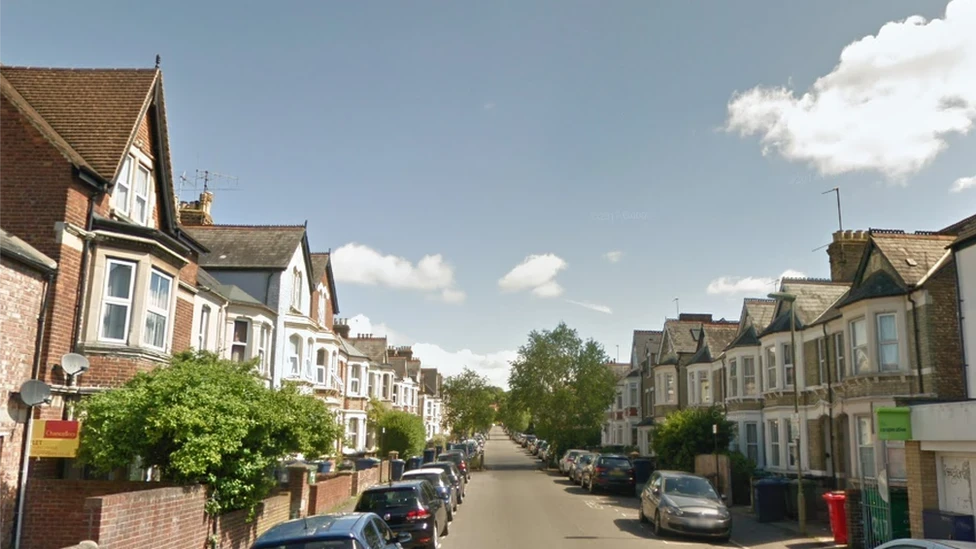
A street of Victorian terraced houses in the DRARA area on a sunny day

Why do thermal imaging of my home?

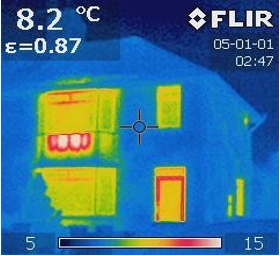
A thermal image of the outside surface of a house can show areas which are conducting heat from the inside to the outside of the house, helping to identify:

  • Draughts
  • Whether cavity wall and loft insulation is patchy, missing or has been bridged by a conducting structure
  • Poor or broken seals around windows and doors
  • Poorly insulated (e.g. single glazed) windows

Fixing these can:

  • Save you money on your bills
  • Make your home warmer and more comfortable in winter
  • Keep your home cooler in summer
  • Reduce carbon emissions
Thermal image of a house at night: the bay window and front door glow yellow and red where heat escapes, cooler walls appear blue

How will it work?

On a few cold evenings in late January and early February 2027, when it's cold and dark enough for the camera to work well, pairs of trained DRARA residents will be taking thermal images of the outside of each home that signs up.

By signing up, you'll get clear pictures of where warmth is escaping, a short report, and an invitation to a session to explore potential fixes.

What will I need to do?

  • A visit takes about 20 minutes. All you need to do is have your heating on for at least 2 hours beforehand, so warm spots show clearly.
  • If you'd like the back of the house photographed too, you'll need to provide access on the night. Otherwise you'll just receive images of the front of the house, and you don't need to be home.
  • A few weeks later, we'll email you the images with short notes on what they show.
  • We'll also organise an event where you can speak to someone who knows how to interpret the scans, if you're interested.
  • You can withdraw your interest at any time.
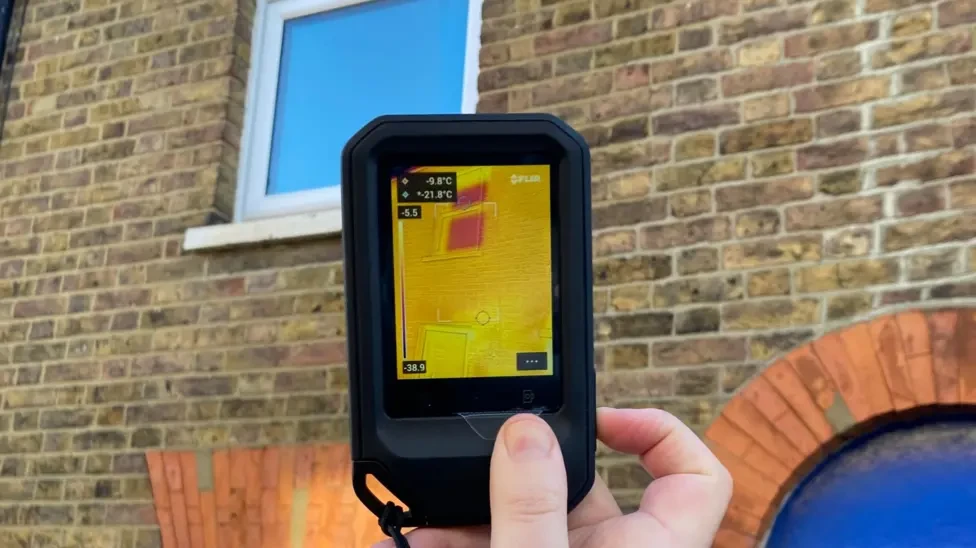
A volunteer holds a thermal camera up to a brick house; the screen shows the window glowing where heat escapes

We can only provide thermal images if enough people sign up to help take them, so please consider offering to help. No experience needed – we'll provide training and you'll always go out in a pair.

← Back

Register your interest

Just your address and how to reach you. We'll be in touch to arrange an evening.

Places are limited. If more homes register than our volunteers can scan this winter, we'll scan in the order people registered and keep a waiting list for next year.

Name and your address

Your house number and road are how we match you to your pictures and report later.

Enter your name.

Enter your house number and choose your road.

This address is already registered – email us if you need to change anything.

How to reach you We'll use your email for updates about your booking and scan, and your mobile to reach you on the evening of the scan – for example if we're running late. If you tick the box below, we'll also add your mobile number to a temporary WhatsApp group for this project. Your details are deleted one month after your scan is done.

Add a valid email and a mobile number.

← Back

Sign up as a volunteer

Thank you for considering helping us run this project!

What you'll need to do

  • Come to a short training session (about 45 minutes).
  • Sign up for as many evenings as you like.
  • On each evening, work with a partner to photograph 5–8 homes.
  • Upload the photos afterwards – we'll show you how at training.
About you We'll use your email for training dates and project updates, and your mobile only to reach you on scan evenings. Both are deleted one month after the scans are done.

Add your name and an email address.

This email is already signed up as a volunteer – email us if you need to change anything.

How many evenings could you offer?

Scanning sessions will run for a couple of hours in the evenings in late January and early February 2027. Tell us roughly how many you would be willing to do. This will help us plan the scans and work out if we have enough volunteers – but don't worry, we know you might need to change your answer later!

Enter a number of evenings, from 1 to 30.